About. Lightbahn works at the intersection of lighting design and the protection of nocturnal environments. Our work moves between two modes: designing light for spaces while respecting its nocturnal ecosystem, and creating experiences that reconnect people with natural darkness. Each informs the other.
Lighting Design Studio
-
Our practice is built on observation and firsthand inquiry. In 2025, we ran our first series of dark sky experiences, and listened closely, through surveys, conversations, and participant feedback, to how people responded to natural darkness.
What we heard was consistent. Not only most people had never seen a truly dark sky, more importantly, most had no idea that the artificial light around them, in their homes, streets, and cities, was affecting their sleep, their health, and the ecosystem they live within.
Over-lighting has become so normalized that its effects blend into the background. Our work stays close to that human experience and lets it inform everything we design.
-
We collaborate with architects, urban planners, and landscape designers to design light for spaces that honour darkness as much as they honour light. Good lighting is not more light it is the right light, in the right place, at the right intensity.
We work across scales, from a single room to a public precinct. The ambition is the same at every scale: to reduce what is unnecessary, and to protect what darkness sustains.
-
Lightbahn works with anyone who wants to make a responsible choice about light. That includes homeowners replacing a single bulb, developers designing a new district, and municipalities managing public infrastructure.
Most people do not set out to harm the nocturnal environment. But once aware, they don't know where to begin. That gap between intention and execution is where Lightbahn works. We are building a practice to make responsible lighting design accessible to everyone who is ready to join the dark sky movement.
It starts with one bulb.
Dark-sky Experiences
-
Our night sky experiences are the core of how we think, and are designed with the same rigour we bring to built environments. We apply UX research and design thinking to every gathering, from how a site is chosen, to how people move through darkness, to what they carry home with them.
The goal is a shift in perception. We design for the moment when a person looks up at an unpolluted sky and begins to see the artificial light around them differently, in their streets, their homes, their cities.
A more conscious relationship with light begins with knowing what darkness feels like.
-
We design opportunities to encounter the night sky.
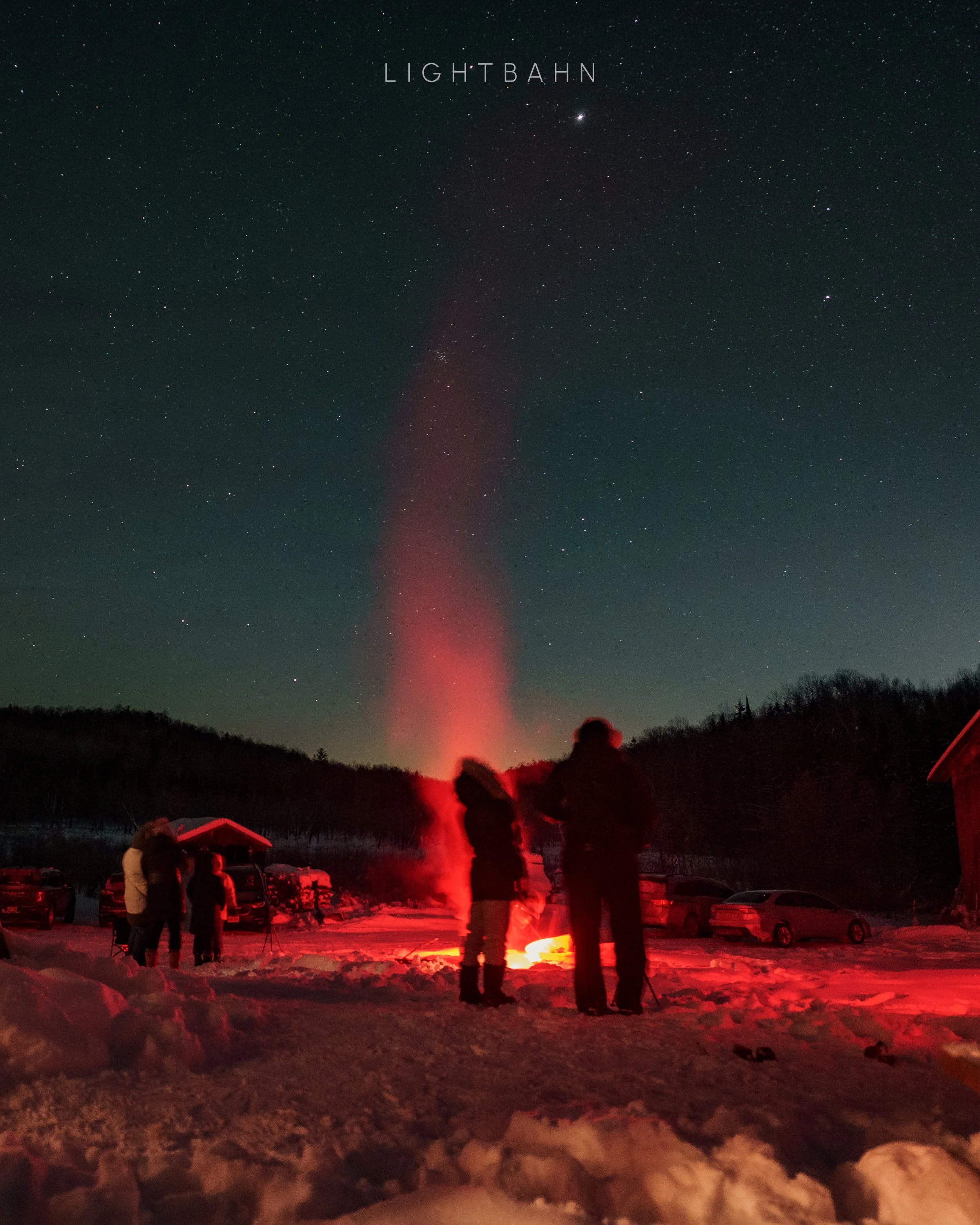
Through small stargazing excursions, participants step away from the brightness of the city and into places where darkness is still present. These gatherings are intentionally simple: time to observe the moon, planets, and stars, and to reflect on how artificial light shapes the night.
Like our lighting work, these experiences begin with a shared premise: darkness is not the absence of light, but a condition that supports ecological balance, human perception, and a deeper awareness of place.
-
Lightbahn works with dark sky preserves, protected areas, private landowners, and organisations building toward astrotourism. Places that already hold darkness as an asset and want to share it intentionally.
The night sky is one of the few remaining experiences that cannot be manufactured. Our role is to help the people who steward these places bring others into them, thoughtfully.
People.
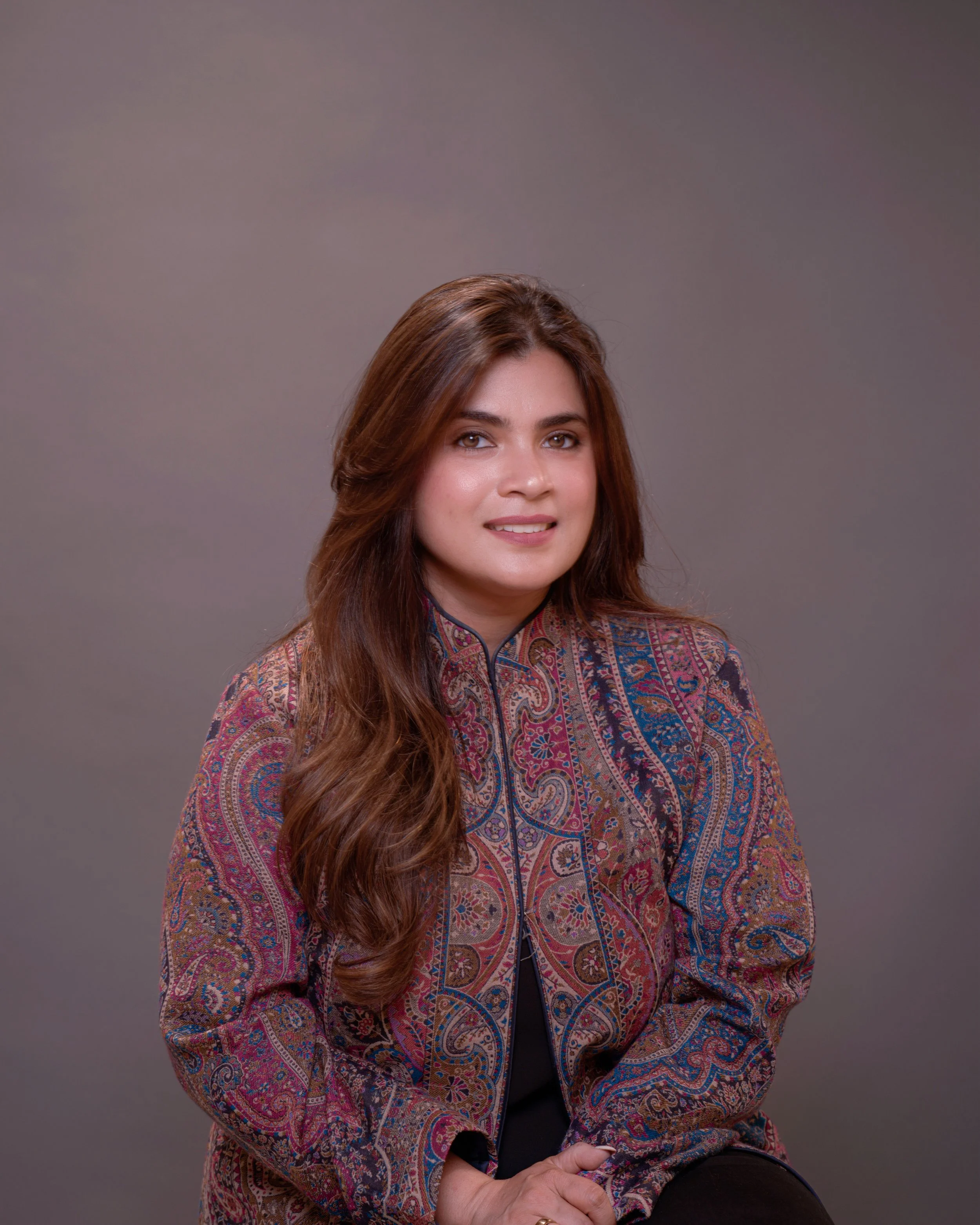
Chetna Misra
Founder & PrincipalTrained as an architect, Chetna worked for nearly a decade as an architectural lighting designer in Dubai, and Amsterdam, contributing to projects across architecture, landscape, and urban design.
In 2022, she moved to Canada to pursue graduate studies in UX research and design, where she was introduced to design thinking and systems-based approaches to complex problems. This perspective led her to examine lighting beyond individual projects and consider its cumulative impact on cities, ecosystems, and the night sky.
Lightbahn emerged from this intersection of disciplines, bringing together lighting design and systems thinking to address light pollution as a systemic issue and expand public engagement with the night sky.
Through Lightbahn, Chetna also hosts stargazing events in the Canadian capital region, giving people access to unpolluted dark skies. These events also form the basis of her research, exploring how experiencing a truly dark sky can change people’s relationship with artificial light. For most people, a dark sky is something they have never seen, and that, she believes, is part of the problem.
She writes occasionally about light, darkness, and the nocturnal environment on Substack.